
The first few minutes can feel strange. A camera is suddenly paying attention to things you normally do without thinking. That isn’t a sign you’re bad at photos. It’s a sign you’re human.
01
Choose a place where you can do something.
A good location gives you more than a nice background. It gives you somewhere to walk, sit, talk or stop for a coffee. Movement takes the pressure off because you aren’t standing still waiting to look natural.
The place can be meaningful, convenient or simply comfortable. It does not have to be famous. A quiet neighbourhood, a waterfront path or a patch of open shade can work better than a crowded landmark if it lets you settle in.
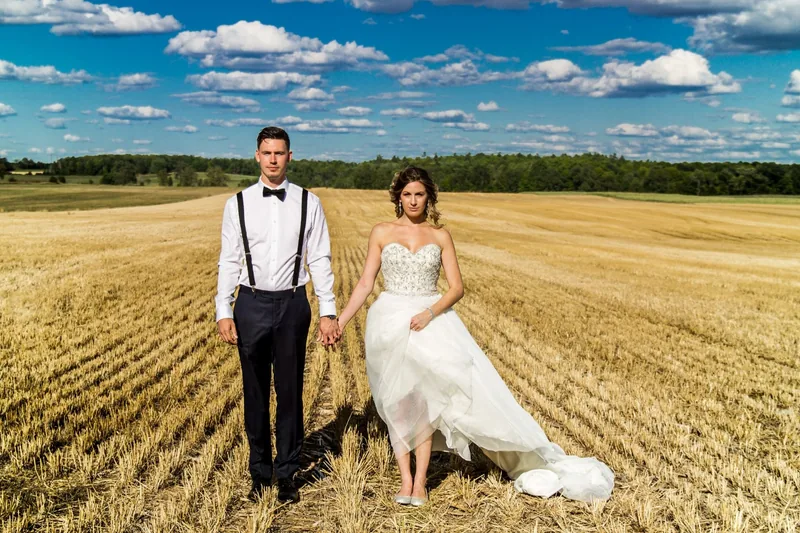
02
Direction should give you a starting point.
“Just act natural” is not useful when someone has pointed a camera at you. Clear direction is.
I might show you where the light is better, give you something simple to do or fix a detail you cannot see. Then I back off. The goal is not to hold a perfect pose. It is to remove the uncertainty long enough for a real expression, laugh or quiet moment to take over.
You should leave remembering the time together—not a list of positions you were asked to hold.
03
Wear something you can move and breathe in.
Choose clothes that feel like a good version of what you already wear. You do not need matching outfits, a costume change or a colour palette built for somebody else’s feed.
Make sure you can walk, sit and get close without adjusting every few seconds. Bring the shoes you actually want photographed, but if the location involves a long walk, a practical pair for getting there is not cheating.
04
Plan for weather, not perfection.
Clouds are not a failed session. Wind can add movement. A light change can be worked with. The useful question is whether the conditions are safe and whether you will still be comfortable enough to be present.
Have one simple backup. That might be a covered area, a different time or another date. You do not need five plans and an hourly forecast obsession.
05
Use the session to learn what helps.
An engagement session is a low-pressure way to find out how your photographer communicates and what makes you forget about the camera. You learn the few cues that work. Your photographer learns when you need help and when to leave the moment alone.
That familiarity can make the wedding day easier, but the session still has value on its own: photographs of this part of your life, before the timeline, speeches and formal clothes arrive.
Before the session
Keep the plan simple.
- Pick a place where you can move without fighting a crowd.
- Wear clothes that feel like you and work with the weather.
- Bring only the things that make the time more comfortable.
- Tell your photographer what usually makes you self-conscious.
- Expect a few awkward minutes. They pass.
If this feels more like you
Tell me the date. I’ll check the calendar.
Share what you know about the wedding and what you hate about being photographed. I’ll reply personally, usually within one business day.
Check Your Date